REGISTER YOUR INTEREST

THE LEARNING JOURNEY
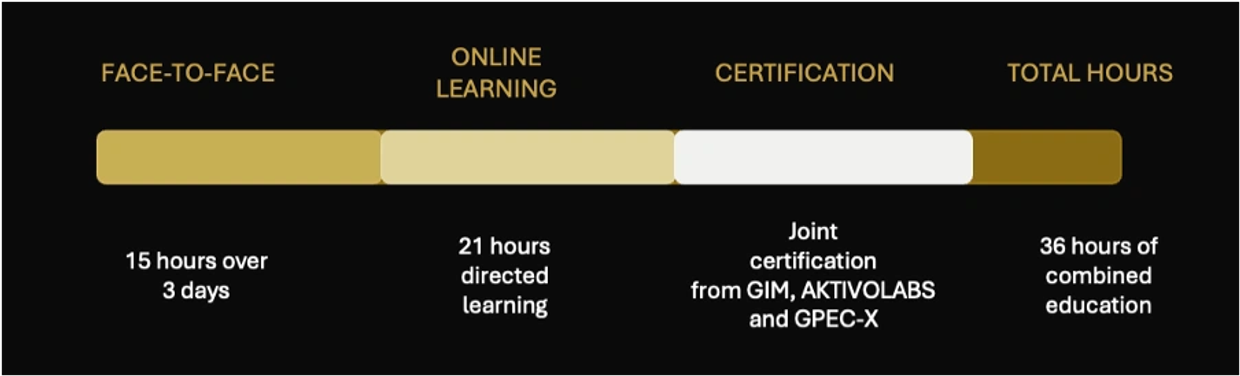
Journey to Expertise
This programme guides participants through a structured learning journey,:
- Engaging and interactive face-to-face sessions with experts
- Flexible online courses for comprehensive understanding
- Certification enhances professional credibility and skills
- Continuous support and resources for all participants
This programme guides participants through a structured learning journey, combining face-to-face instruction, online modules, and practical assessments to ensure comprehensive understanding and real-world application of Design Thinking principles tailored for business leaders.
CURRICULUM
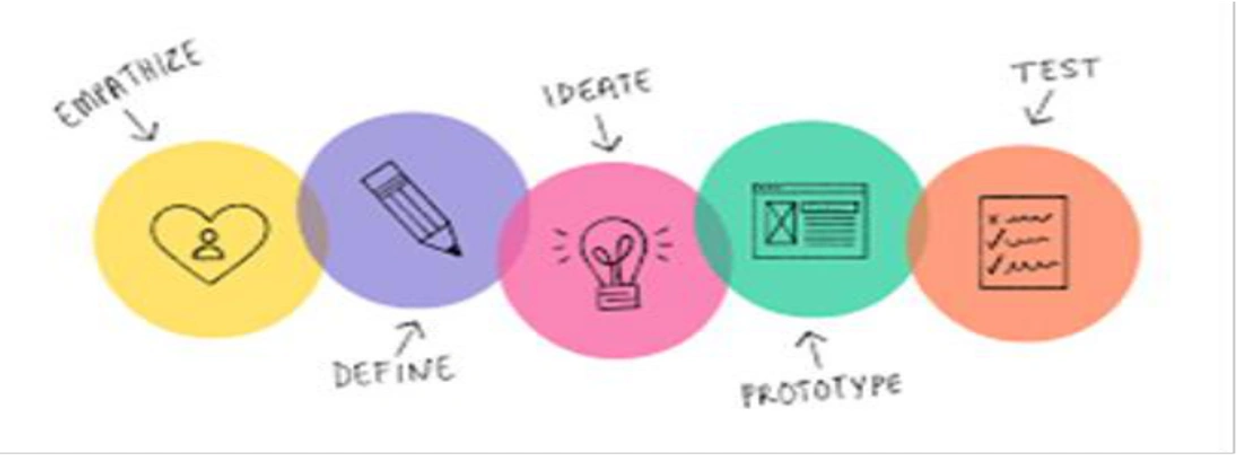
Comprehensive learning across DESIGN THINKING
Introduction to Design Thinking
Design thinking isn't just for designers—it's a problem-solving framework for anyone. Run a "Quick Start" challenge like the Marshmallow Challenge or the Wallet Project. Why did some designs fail while others succeeded? Empathy (Stepping into Their Shoes. Researching user needs through observation and interviews rather than making assumptions. Create an Empathy Map (Says, Does, Thinks, Feels) for a specific user group (e.g., executives who struggle with locker organisation. Practice Customer Journey Mapping to identify "pain points".
Define (Finding the Right Problem)
Synthesising research to create a "Point of View" (POV) and a clear problem statement. Activity: Use "How Might We" (HMW) statements to turn pain points into design opportunities. Moving from "I want to build a better bag" to "How might an executive help colleagues who are struggling with a daily routine?" Phase 3: Ideate (The Brainstorm Blitz). Encouraging "wild ideas" and quantity over quality (divergent thinking). Activity: Use techniques like SCAMPER or "Worst Possible Idea" to break mental blocks. Tool: Visualiseideas using digital mind-mapping tools like Poppletor Mural.
Prototyping and Testing
Making ideas tangible through low-fidelity models. Activity: "Rapid Prototyping"—build a model in 30 minutes using cardboard, tape, or digital wireframes. A prototype is a way to ask questions, not a finished product. Phase 5: Test (Feedback is a Gift). Testing the prototype with real users to learn what works and what doesn't. Activity: Conduct "I Like, I Wish, What If" feedback sessions. Learn to detach from your idea and embrace "failure" as data for the next version.
Iteration and Final Showcase
Building a "good enough" version to test with real people. Using test results to go back to previous stages (Defining or Ideating) to improve the solution. Update the prototype based on user feedback. Explore advanced 3D design tools like SketchUp or Adobe Express for a more polished final version. Final Showcase: Designing for Impact. Sharing the design story and the journey from empathy to solution. Activity: Present the final solution and the "Design Diary" (showing all iterations) to a panel of peers or teachers. Reflect on the Design Thinking Mindsets: Empathy, Optimism, and Embracing Ambiguity